
“Where do you get your protein?” Ask any vegan and this is the number one question they get. As though everyone is suffering from an imminent protein deficiency. Over the years the media and advertising has done an unbelievably good job on convincing your average person that we are in dire need of a large amount of protein and that this should be the focus of every bite. They have also convinced everyone that the best and only source of protein is animal flesh, that protein = meat. Have you ever gone to a restaurant and you order a salad and are asked, “Would you like to add a protein to that?” By this they mean beef, chicken, shrimp, etc. As though protein does not exist in non-animal foods. Protein, protein, protein.
What is protein?
Protein is one of three macronutrients that everything we eat consists of- protein, carbohydrate and fat. Protein is made up of 20 amino acids. Nine of these are considered “essential.” This does not mean that the rest are not important, it means these nine can not be manufactured by the human body so it is “essential” that they be obtained through what we consume.
How much do we actually need?
Ask the average person and the answer is likely to be “The more the better.” Studies have determined what is the average minimum amount for humans. This is called the Estimated Average Requirement (EAR) in the United States. This is an AVERAGE, which means some people need more and some people need less. In the United States the EAR is 4-5% of calories from protein. As a precaution to prevent deficiency the USDA Recommended Daily Allowance (RDA) doubled the ERA and recommends 8-10%. At this RDA almost everyone will be getting more than they actually need.
The RDA is then converted into grams per day based on ideal body weight and recommended calorie intake. The RDA in this fashion is 0.8g/kg/day. (One kilogram is equivalent to 2.2 pounds.)
So what does that mean in terms of food?
You can think of it in terms of percentage of calories (protein has 4 calories per gram) or total grams over the course of a day. For a woman whose ideal body weight is 135 pounds (61 kg) the RDA would be 49 grams (0.8g x kg). When converted into calories that is just 196 calories (4 calories per gram protein x 49g). If this is 10% of her calories that would mean a total daily calorie intake of 1960 calories.
The average person in the United States and those that eat similarly are not suffering from a protein deficiency, in fact they are suffering from protein overload.
Where does it come from?
Here is an example of what I eat on an average day:
| Breakfast | Calories | Grams of Protein | Calories from Protein (%) |
|---|---|---|---|
| Oatmeal 1 cup dry | 290 | 12 | 6 |
| Soy milk 1 cup | 80 | 7 | 10 |
| Banana | 105 | 1 | 4 |
| Blueberries 1/2 cup | 45 | 0.6 | 5 |
| Strawberries 1/2 cup | 24 | 0.5 | 7 |
| 1 TBSP flaxseed | 35 | 1.5 | 17 |
| 1 brazil nut | 31 | 0.7 | 8 |
| Totals | 610 | 23.3 | 15 |
| Lunch | Calories | Grams of Protein | Calories form Protein (%) |
|---|---|---|---|
| Sweet potato, 1 large | 125 | 2 | 7 |
| Spinach, 3 cups | 21 | 3 | 12 |
| Black beans, 1/2 cup | 114 | 8 | 26 |
| Tomatoes, 1/2 cup | 17 | 1 | 17 |
| Bell pepper, 1/2 cup | 24 | 1 | 14 |
| Totals | 301 | 16 | 21 |
| Snack | Calories | Grams of Protein | Calories from Protein |
|---|---|---|---|
| 1/2 cup hummus | 134 | 7 | 26 |
| 1 cup baby carrots | 82 | 2 | 9 |
| Totals | 216 | 9 | 17 |
| Dinner | Calories | Grams of Protein | Calories from Protein (%) |
|---|---|---|---|
| Pasta, 1 cup | 240 | 8 | 15 |
| Lentils, 1/2 cup | 115 | 9 | 30 |
| Marinara sauce, 1/2 cup | 20 | 1 | 17 |
| Wine, 4 oz | 125 | 0.1 | 0 |
| Totals | 500 | 20.1 | 16 |
| Daily Total | Calories | Grams of Protein | Calories from Protein (%) |
|---|---|---|---|
| 1627 | 68.4 | 17 |
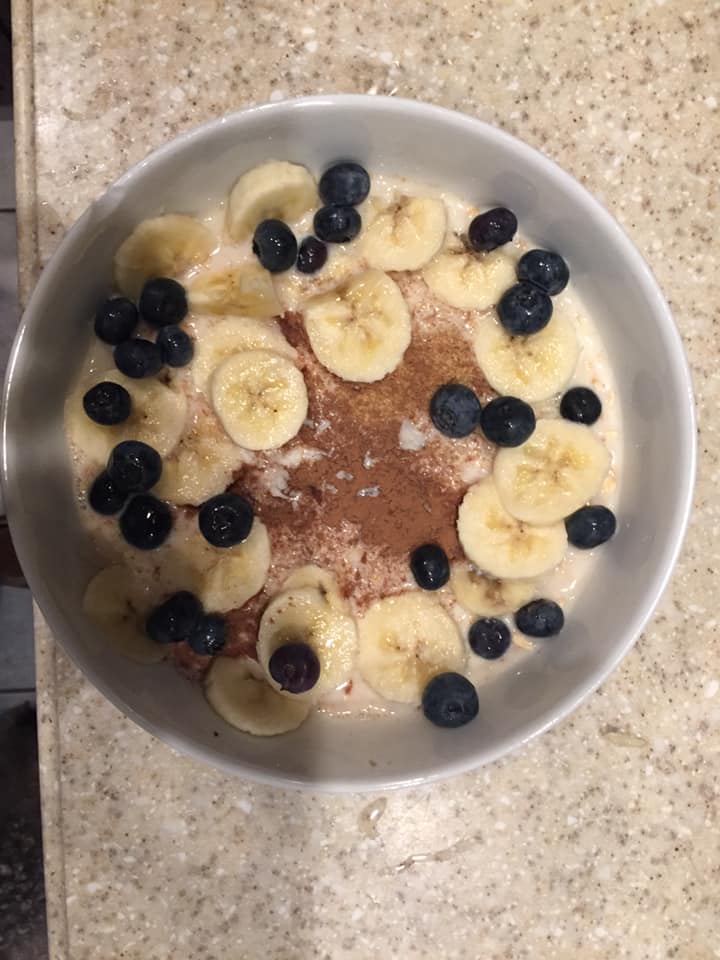

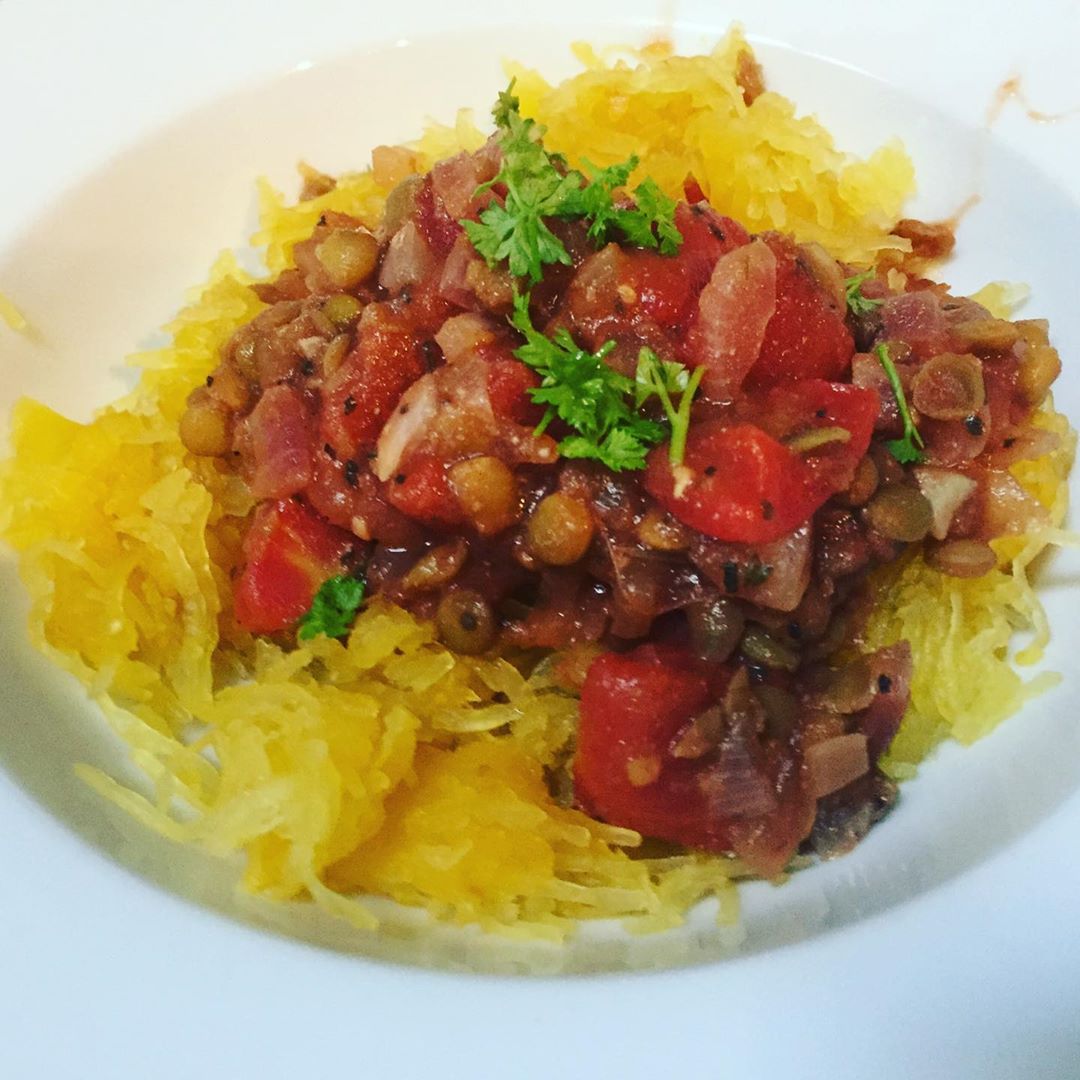
This is really less than what I actually eat as I am admitted snacker throughout the day. I am constantly grabbing a piece of fruit or slice of toast as I run through the kitchen. So as you can see at a minimum I consume more than needed for protein over the course of the day.
Is more protein better?
The short answer is no. When protein is digested it breaks down into acids which enter the bloodstream. Our bodies do not like to be acidic so they reach for the nearest thing to buffer the acid and that is calcium. This can be pulled from the bones if needed. High protein diets have been linked to osteoporosis.
The kidneys are one of the main filter systems in our body and having too much protein puts a lot of extra work on the kidneys. People who have kidney disease are routinely advised to eat a low-protein diet so as not to stress the kidneys any further.
Now what?
Hopefully now you have a better understanding of how much protein we actually need and that plants provide more than enough protein to meet that requirement.
To do: If you currently eat animal protein how about trying to limit it to one meal a day for the next week? If you try please comment and let me know how it goes.
 Deirdre Sweeney, Plant-Based Health